
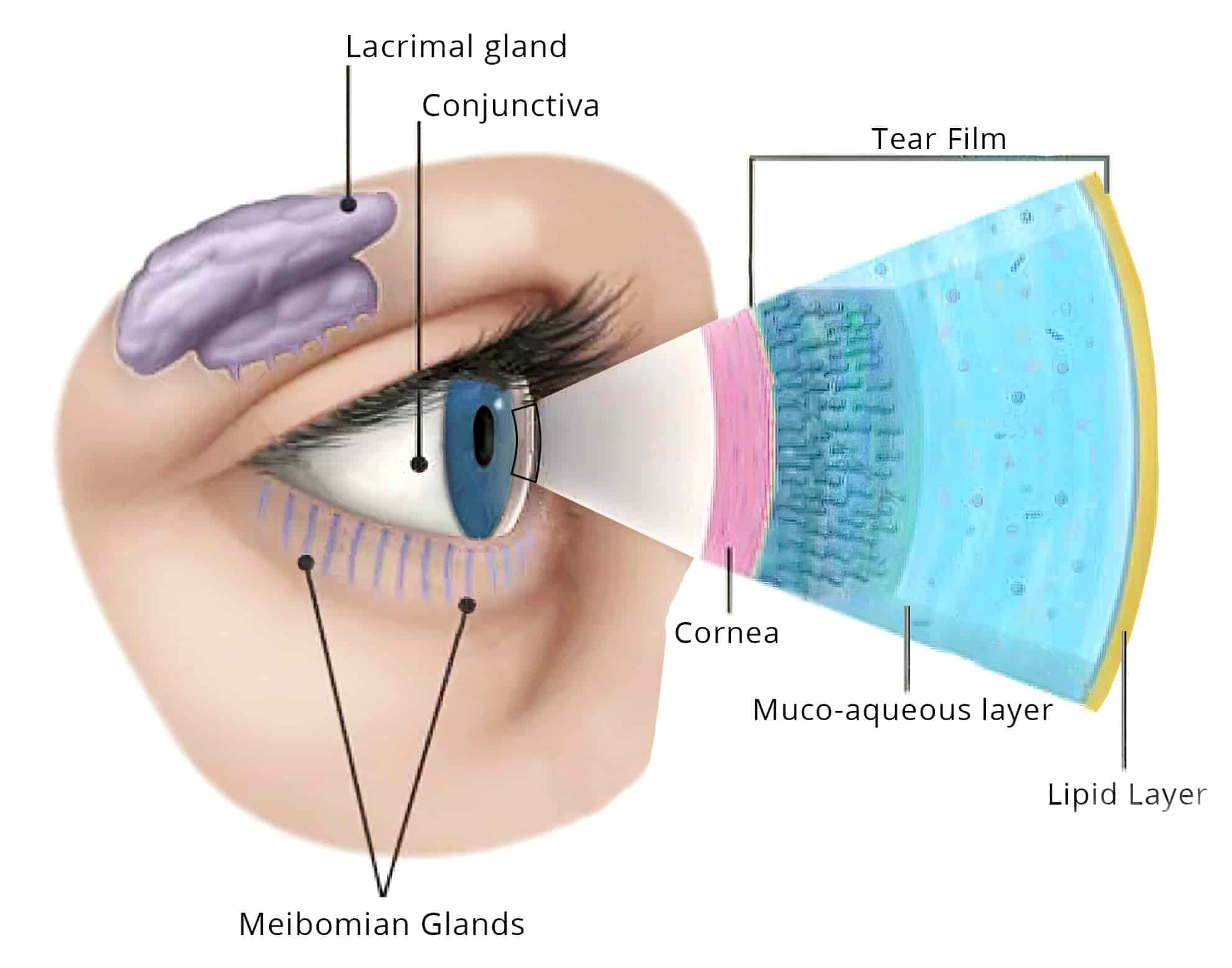
What is dry eye disease?
Dry eye disease occurs when your eyes don't produce enough tears, or produce tears of poor quality. It's one of the most common eye conditions in Canada — and one of the most undertreated. Symptoms include burning, stinging, grittiness, watery eyes (a reflex response to dryness), and fluctuating vision.
Who should book: Anyone experiencing persistent eye discomfort, contact lens intolerance, or vision fluctuation — especially after screen use or in dry environments.
What causes dry eyes?
Dry eyes occur when the eyes do not produce enough tears or when the tears evaporate too quickly. Left untreated, chronic dry eye can lead to infections and potential damage to the eye surface. Common causes include:
- Screen time and digital device use — prolonged screen use reduces blink rate, causing tears to evaporate faster
- Hormonal changes — menopause, pregnancy, and hormone replacement therapy can reduce tear production
- Medications — antihistamines, decongestants, blood pressure medications, and antidepressants are common culprits
- Autoimmune disorders — Sjogren's syndrome, rheumatoid arthritis, and lupus can impair tear gland function
- Blepharitis — chronic eyelid inflammation disrupts the oil layer of the tear film
- Environmental factors — wind, dry air, air conditioning, forced-air heating, and Alberta's long dry winters all accelerate tear evaporation
Several of these factors often overlap. A proper assessment identifies which causes are at play so treatment targets the root problem rather than just masking symptoms.
Diagnosis at our clinic
We go beyond a basic symptom questionnaire. Our dry eye assessment includes:
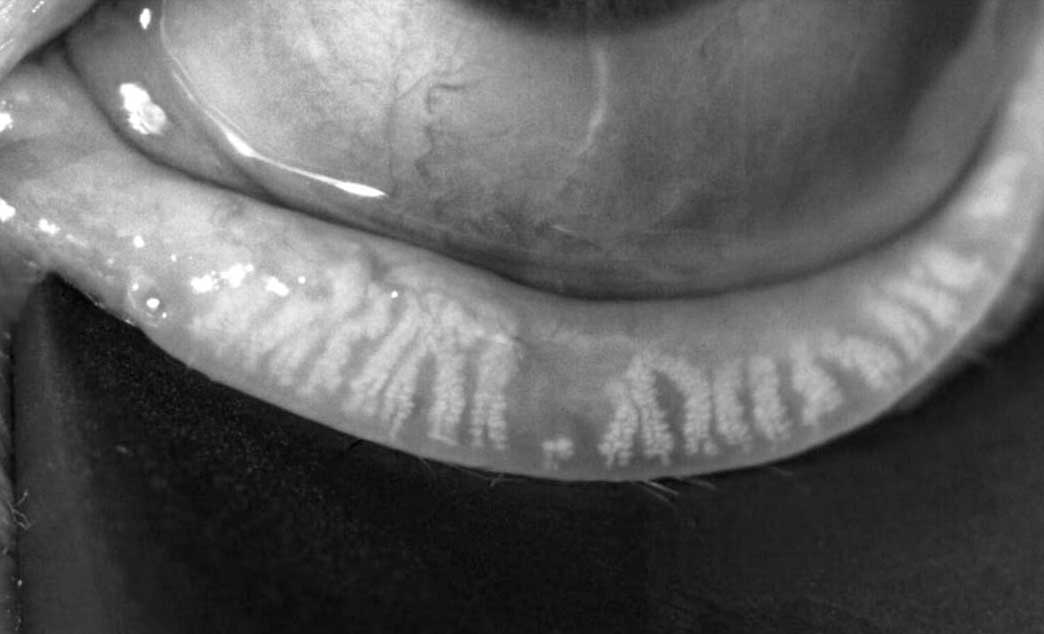
- Meibomian gland imaging — infrared photography of the eyelid glands
- Tear breakup time — how quickly your tear film destabilizes
- Corneal and conjunctival staining — assessing surface damage
Symptoms and when to get help
Common symptoms of dry eye disease include:
- Irritation
- Burning or stinging sensation
- A gritty or sandy feeling in your eye
- Sensitivity to light
- Stringy mucus
- Redness
- Blurred vision
- Inability to wear conventional contact lenses comfortably
- Difficulty driving at night
- Eye fatigue
- Excessive tearing (as the eyes attempt to compensate for lack of moisture)
If you are experiencing any of these symptoms persistently, book a consultation so we can diagnose the cause and recommend effective treatment.
Treatment options
Based on your assessment, treatment may include:
- Warm compress therapy — a structured at-home protocol
- Omega-3 supplementation guidance
- LipiFlow® thermal pulsation — in-office treatment for meibomian gland dysfunction (details below)
LipiFlow for meibomian gland dysfunction (MGD)
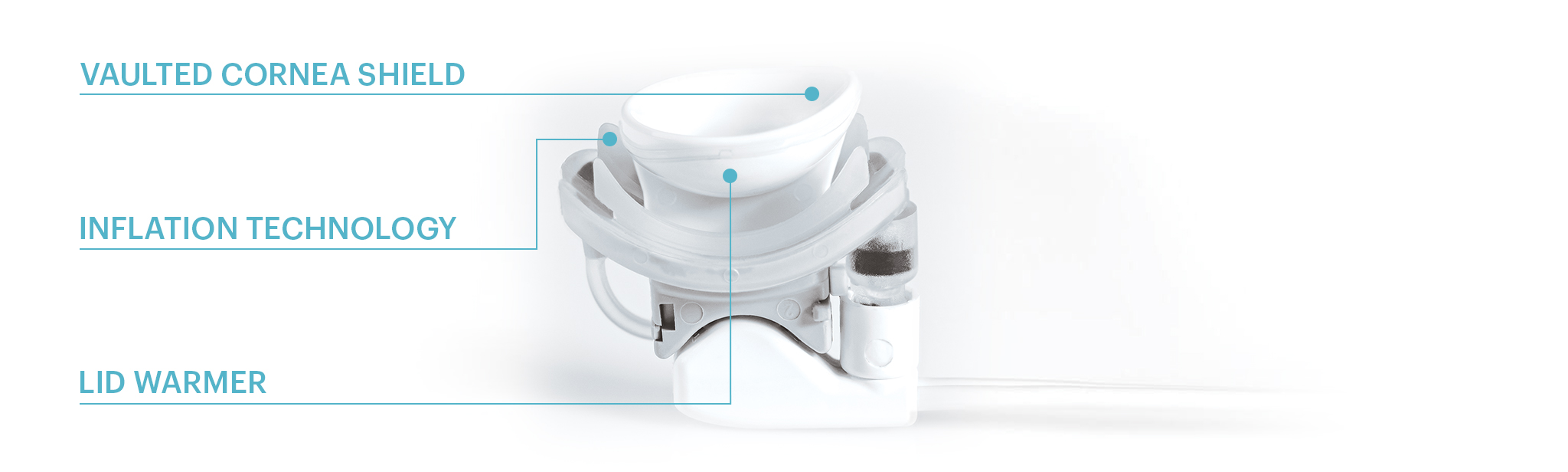
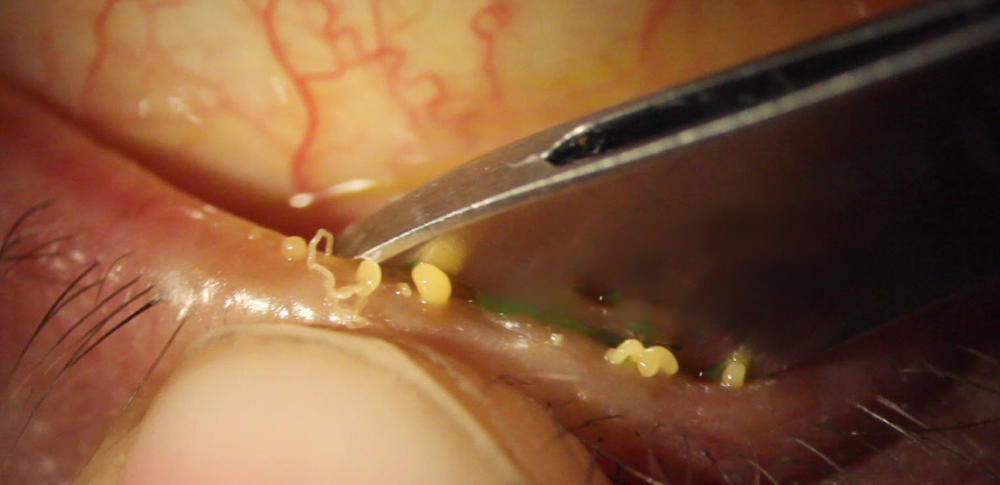
Meibomian gland dysfunction (MGD) is the most common cause of dry eye disease, affecting more than 80% of dry eye sufferers. When the meibomian glands in the eyelids become blocked, they stop releasing the protective oil (meibum) that prevents tears from evaporating too quickly.
We begin with LipiScan, a meibomian gland imaging technology that produces detailed images of the gland structure. If blockages are identified, LipiFlow treatment can effectively remove them.
LipiFlow uses Vector Thermal Pulse (VTP) technology — a breakthrough that applies precisely controlled heat and gentle pressure to both the inner and outer surfaces of the eyelids simultaneously. The activator softens and eliminates gland blockages, restoring the meibomian glands to healthy function so they can release oil again. A single in-office session takes only 12 minutes and most patients find it comfortable.
OptiLight IPL treatment
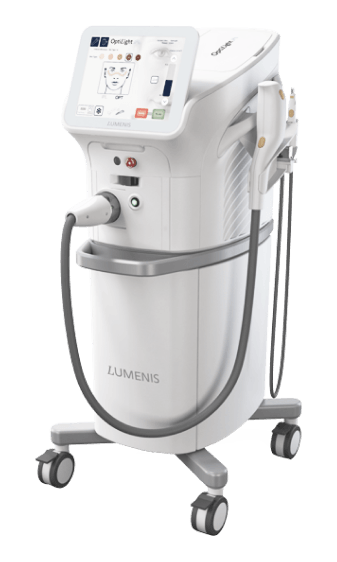
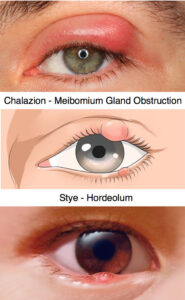
OptiLight elevates dry eye management with Lumenis' patented Optimal Pulse Technology (OPT). OptiLight treatment takes just 20 minutes and is a safe, comfortable, and effective therapy to manage dry eye. OptiLight IPL also delivers skin tightening and anti-aging properties. It is also effective for chalazion and hordeolum (styes).
Eye-Light IPL and low-level light therapy (LLLT)
The Eye-Light combines intense pulsed light (IPL) with low-level light therapy (LLLT) using Optimal Power Energy technology. The IPL component uses patented polychromatic light with thermal impulses calibrated through software for safety and effectiveness.
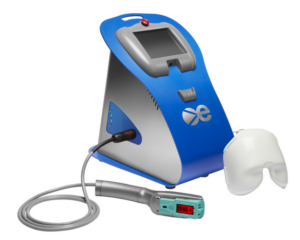
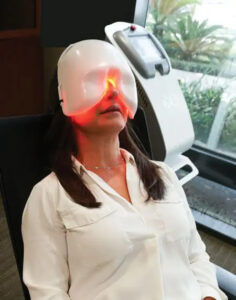
Low-level light therapy helps treat meibomian glands by applying intense LED light to the periorbital area around the eyes, including the eyelids and upper cheekbones. It unclogs hardened oil in the meibomian glands to restore function and improve tear stability. Patients experience a gentle warming of the skin and often report dramatically improved eye comfort.
Together, these treatments provide significant incremental benefits. Eye-Light's dual therapy surpasses the efficacy of IPL or RF monotherapy alone.
BlephEx and Zest treatment for blepharitis
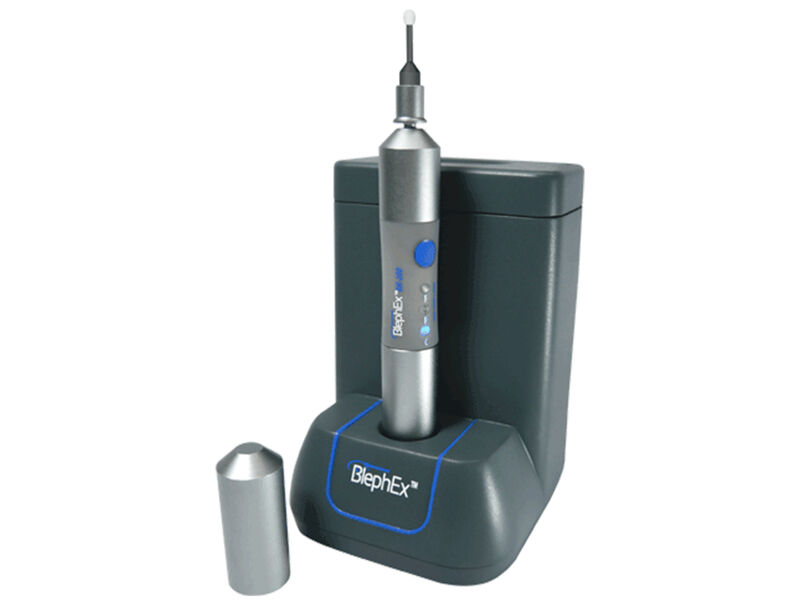
BlephEx is a procedure used to treat blepharitis, a common condition where the eyelids become inflamed and irritated due to excess bacteria, oil, or debris in the eyelid margins. The treatment uses a handheld device with a specialized disposable tip that gently exfoliates the eyelid margins, removing debris and bacteria. It provides patients with immediate relief by cleaning away excess bacteria, biofilm, and bacterial toxins.
Zest eyelid cleansing treatment is specifically formulated for patients with blepharitis, dry eye, and other conditions affecting eyelid health. The Zest cleanser is a gentle, non-irritating foam containing natural ingredients such as tea tree oil and aloe vera.
BlephEx or Zest treatments are commonly performed prior to LipiFlow or IPL treatments to cleanse the lids and enhance the overall treatment.
Coverage & pricing
Most dry eye assessments and treatments are not covered by Alberta Health Care but may be partially covered through extended benefits. We provide detailed receipts for insurance submission.